Anxious Attachment: Signs and Ways to Build Secure Connections
Learn the signs of anxious attachment, what causes it, and practical ways to build more secure connections. Support is available in Burnaby and across BC.

On this page10 sections
- 1What Is Anxious Attachment?
- 2What Causes Anxious Attachment?
- 36 Signs of Anxious Attachment
- 4How Anxious Attachment Affects Your Life
- 5Common Relationship Triggers
- 6Ways to Build Secure Connections
- 7Which Types of Therapy Are Used for Anxious Attachment?
- 8How Counselling Can Help You Move Forward
- 9Take the First Step
- 10FAQs
Anxious attachment can make closeness feel uncertain, even when you care deeply about someone. A delayed reply, a change in tone, or a partner asking for space may leave you worrying that something is wrong. You might seek reassurance, replay conversations, or struggle to feel secure no matter how much someone shows up for you. Understanding these patterns is a first step towards change. This guide covers six common signs of anxious attachment, what may cause them, and practical ways to build more secure connections.
What Is Anxious Attachment?
Anxious attachment is a relationship pattern where closeness feels necessary for safety, and the fear of losing that closeness becomes a constant background worry. It shapes how you interpret your partner’s behaviour, how you respond to conflict, and how secure you feel in your relationships day to day.
Where Anxious Attachment Fits Among Attachment Styles
Attachment theory describes four main styles: secure, anxious, avoidant, and disorganised, that reflect the patterns people develop around closeness and trust. People with a secure attachment style tend to be comfortable with both intimacy and independence. Those with an anxious style find intimacy reassuring but worry it might disappear. Avoidant individuals tend to pull back from closeness. Most people lean toward one style, though it can shift across relationships and over time.
Is Anxious Attachment a Diagnosis?
Anxious attachment is not a clinical diagnosis. It is a pattern; a way of relating that developed for understandable reasons and can change with awareness and support. Recognising it in yourself is not about labelling what is wrong with you. It is about understanding how your nervous system learned to respond to closeness and uncertainty.
What Causes Anxious Attachment?
Anxious attachment is rarely caused by one single thing. It most commonly develops when early caregiving was inconsistent; sometimes warm and present, sometimes distant or preoccupied, leaving a child’s need for connection feeling uncertain. That heightened alertness to signs of disconnection does not disappear in adulthood; it simply moves into how we relate to partners and close relationships.
Later experiences can reinforce these patterns too. A relationship marked by emotional unpredictability or repeated uncertainty about where you stood can deepen anxious tendencies, even when early childhood felt relatively secure. Understanding what causes anxious attachment is not about assigning blame to parents or past partners. It is about making sense of a pattern so that changing it becomes possible.
6 Signs of Anxious Attachment
Anxious-preoccupied attachment shows up differently for different people, but certain patterns appear consistently. These are six of the most common signs.
Constantly Seeking Reassurance
You find yourself regularly asking whether your partner is happy, whether they still care, whether everything is okay between you. The reassurance helps briefly, but the relief fades quickly and the need returns. This is not neediness; it is the anxious attachment pattern looking for the certainty it cannot hold onto.
Fear of Abandonment
A persistent fear that people you care about will leave, even when the relationship is stable; it sits at the centre of anxious attachment. This fear can drive behaviour that actually creates the distance you are trying to avoid: clinging, testing, or pushing for closeness in ways that overwhelm the other person.
Distress Over Delayed Replies
A message that goes unanswered for a few hours can feel genuinely alarming. You may find yourself reading into the delay, imagining the worst, or composing and deleting follow-up messages. The anxiety is real; it is just disproportionate to what a late reply actually means.
Partner’s Mood Affects Your Security
When your partner seems quiet, tired, or distracted, your first instinct is to wonder whether it is about you. Your sense of security in the relationship rises and falls with their emotional state, which means you are constantly monitoring for signs of disconnection, even when none exist.
Difficulty Trusting Your Partner
Even in a relationship where your partner is consistently kind and present, trust feels hard to hold onto. You may believe, intellectually, that they care; but emotionally, the worry persists. Anxious attachment creates a gap between what you know and what you feel.
Putting Your Needs Aside to Keep Someone Close
To avoid conflict or the risk of pushing someone away, you minimise what you need, agree when you do not, and prioritise keeping the peace over expressing how you actually feel. Over time, this can lead to resentment and to feeling unseen in relationships where you have quietly made yourself smaller.
How Anxious Attachment Affects Your Life
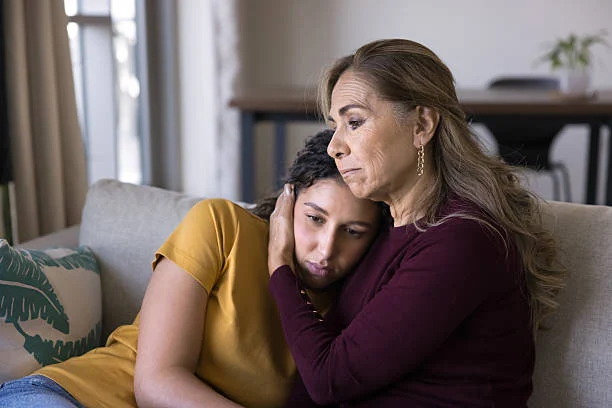
Anxious attachment does not stay contained to romantic relationships. It touches most areas of daily life in ways that are not always easy to connect back to the pattern.
Your Mental Health and Self-Esteem
The constant monitoring and worry that comes with anxious attachment is genuinely exhausting. Many people tie their sense of worth directly to how much attention or validation they receive, so self-esteem fluctuates with every shift in a relationship. Overthinking, emotional exhaustion, and difficulty feeling settled are common.
Romantic Relationships
Partners can feel the pressure of being someone else’s primary source of security. Over time, the reassurance-seeking, checking, and fear of conflict can create the very distance that anxious attachment most fears. People with anxious patterns are also more likely to find themselves in relationships with emotionally avoidant partners, a dynamic that tends to intensify both people’s patterns rather than resolve them.
Friendships and Family
Anxious attachment extends beyond romantic relationships. A friend who takes longer to reply, a family member who seems distracted, a colleague who suddenly seems less warm- each can trigger the same fear of disconnection. Friendships may feel fragile in ways that are difficult to explain, and family relationships can be marked by either intense closeness or sensitivity to perceived rejection.
Work and Daily Life
Mild criticism from a manager can feel disproportionately deflating. Uncertainty about where you stand with colleagues can make it hard to concentrate. When the emotional energy required to manage relationship anxiety is high, there is less left over for work, focus, and the ordinary demands of daily life.
Common Relationship Triggers

Certain situations tend to activate anxious attachment more than others. Recognising your personal triggers is part of how to heal anxious attachment; you cannot interrupt a pattern you cannot see coming.
- A partner asking for space or alone time, which can feel like early withdrawal rather than a simple need
- Arguments that end without full resolution, leaving uncertainty about where things stand
- Unclear or cancelled plans, which create the kind of uncertainty anxious attachment finds hardest to sit with
- Changes in how often or how warmly a partner communicates; a shift in tone or frequency that feels significant even when it is not
- Emotional withdrawal or silence, even temporary, which the anxious nervous system reads as a warning sign
Not every trigger reflects a problem in the relationship. Sometimes the trigger is old learning meeting a neutral present-day situation. Knowing the difference takes time, and it is one of the things a therapist can help with.
Ways to Build Secure Connections
Healing anxious attachment is not about eliminating sensitivity or becoming emotionally detached. It is about developing a more stable internal foundation, so that your sense of security does not depend entirely on what someone else does or does not do.
Building more secure connections takes consistent effort, and it is worth naming that healthy relationships require mutual effort, not just self-improvement on one side. If a relationship is genuinely unpredictable or emotionally unavailable, that is worth acknowledging rather than treating as an attachment problem to fix within yourself.
- Recognise your triggers before they escalate; noticing what activates the anxiety creates a moment of choice
- Pause before reacting: the impulse to seek reassurance or send a follow-up message is worth sitting with briefly before acting on it
- Express your needs clearly rather than hinting, testing, or hoping your partner notices; direct communication reduces the guessing that feeds anxiety
- Build an independent support system when close friends, meaningful activities, and a sense of self exist outside of your relationship; one person carries less pressure to be everything
- Recognise what is yours and what belongs to the dynamic: not every anxious response is purely internal; sometimes it is a reasonable reaction to an inconsistent relationship
- Healthy connections require mutual effort. Working on your own patterns matters, but so does being in a relationship where your needs are genuinely considered
Which Types of Therapy Are Used for Anxious Attachment?

Approaches a therapist may use include attachment-based therapy and emotionally focused therapy.
Attachment-Based therapy explores your relationship history, emotional needs, and the recurring patterns that have developed over time, helping you understand not just what you do but why, and what a different way of relating might actually feel like.
Emotionally Focused Therapy (EFT) is especially useful for couples; it addresses the pursuing and withdrawing cycles that often develop when one partner has anxious tendencies and the other tends toward avoidance, and works to build a more secure emotional connection between both people.
How Counselling Can Help You Move Forward
Counselling gives you a structured, confidential space to explore what drives your anxious patterns, without judgment. A therapist helps you recognise your triggers before they escalate, develop healthier ways of expressing your needs, and build the kind of internal security that does not depend entirely on what someone else does. Over time, many people find that the fear that once felt constant becomes quieter and more manageable.
No Fear Counselling offers attachment therapy in Burnaby, BC, and across British Columbia, with in-person sessions available in Burnaby, Vancouver, Surrey, Coquitlam, and Kelowna, and online counselling for those elsewhere in the province.
Take the First Step
You do not need to have everything figured out before reaching out. The first session is simply a conversation; a chance to talk about what you are experiencing and explore what support might look like for you. Many people find that just having a space to be heard, without the fear of being too much, is itself a meaningful relief.
Call: (778) 288-8361
WhatsApp: (778) 998-3327
Book a consultation: Contact the No Fear Counselling team online.
FAQs
1. Can anxious attachment change over time?
Yes. Attachment patterns are not fixed. With self-awareness, consistent effort, and often therapeutic support, people do develop more secure ways of relating; though change tends to be gradual rather than sudden.
2. Why am I attracted to emotionally unavailable people?
Anxious and avoidant attachment styles often find each other; the pursuing and withdrawing dynamic can feel familiar, even intensely connecting, at first. A therapist can help you recognise and shift this pattern.
3. What is the difference between anxious attachment and relationship anxiety?
Anxious attachment is a broader relational pattern developed over time. Relationship anxiety can occur in anyone and may be situational. The two overlap significantly, but anxious attachment tends to be more consistent across different relationships.
4. Can anxious attachment affect friendships too?
Yes. The same fear of disconnection, sensitivity to perceived withdrawal, and need for reassurance that shows up in romantic relationships often appears in close friendships and family dynamics too.
5. Does anxious attachment get worse with age?
Not necessarily; but without awareness or support, the patterns can become more entrenched. Many people find that understanding their attachment style, even later in life, leads to meaningful change.
6. What should I look for in a therapist for anxious attachment?
Look for someone experienced in attachment-based approaches or emotionally focused therapy. A good fit matters; the therapeutic relationship itself is part of what makes this kind of work effective.
7. Is it possible to develop secure attachment as an adult?
Yes. Secure attachment can be developed through consistent, safe relationships, including the therapeutic relationship, and through deliberate work on self-awareness and emotional regulation. It is one of the more well-supported findings in attachment research.


