How Social Media Can Affect Your Self-Esteem Without You Realizing It
Social media can influence how you see yourself through comparison, edited images, and online approval. Discover the hidden effects on self-esteem, recognize unhealthy patterns, and learn practical ways to build a healthier relationship with social media.

On this page13 sections
- 1What the Research Says About Your Self-Esteem Online
- 2Hidden Ways Social Media Can Affect Your Self-Esteem
- 3The Negative Impact of Social Media on Self-Esteem
- 4Signs Social Media May Be Affecting Your Self-Esteem
- 5Healthy vs. Unhealthy Social Media Use
- 6Who May Be More Affected by Social Media Comparisons?
- 7If Your Teen Is Struggling With Social Media and Self-Esteem
- 8Positive Effects of Social Media on Self-Esteem
- 9Positive Habits for Addressing Social Media's Effects on Self-Esteem
- 10When Social Media Use Starts to Feel Like More Than a Habit
- 11When to Consider Self-Esteem Counselling in Vancouver
- 12Take the Next Step Toward a Healthier Relationship With Social Media
- 13FAQs
You open an app for a quick break. Within a few minutes, you've seen a coworker's promotion, a friend's holiday photos, and someone's perfect morning routine. Nothing bad happened, but you close the app feeling a little behind, a little less confident, or less happy with your own life.
That small shift is easy to miss. The connection between social media and self-esteem often develops through repeated comparisons and online experiences. For some people, social media is a way to stay connected. For others, it can gradually affect how they see their appearance, achievements, and self-worth.
When social media use becomes difficult to control or starts affecting daily life, it may also raise concerns about social media addiction. This article explains how social media affects self-esteem, how to recognize unhealthy patterns, and practical ways to build healthier habits. If these struggles persist, social media addiction counselling in Vancouver may be an option to explore.
What the Research Says About Your Self-Esteem Online
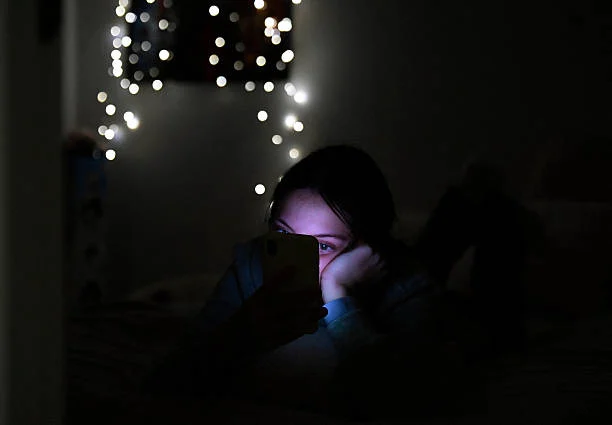
Research suggests that social media and self-esteem are connected, but the effects vary from person to person. Self-esteem refers to how you feel about yourself and your personal worth, while self-worth is the deeper sense that you matter regardless of your appearance or achievements.
One reason social media can affect confidence is social comparison. A 2023 meta-analysis found that exposure to people who appear better off can negatively affect self-evaluations and emotions. Seeing others' achievements, appearances, or social lives may leave some people feeling less satisfied with their own lives.
However, spending more time online does not automatically mean having lower self-esteem. The content people see, how they interact with others, and how often they compare themselves can all influence their experience.
Research also has limitations. Some studies identify associations rather than proving that social media directly causes lower self-esteem. Existing insecurities may influence how people use social media, while negative online experiences may reinforce those feelings.
The key takeaway is that how social media makes you feel matters, not just how long you spend on it. Frequent comparison, appearance-focused content, and relying on likes for approval may be worth noticing, especially when they leave you feeling less confident about yourself.
Hidden Ways Social Media Can Affect Your Self-Esteem
Social media can affect your confidence through small, repeated experiences. You may not notice the change at first, but certain content and interactions can influence how you see yourself.
Comparing Your Everyday Life With Everyone Else's Highlights
People usually share their best moments online, such as promotions, holidays, and achievements, rather than everyday struggles. Comparing these highlights with your own daily life can make you feel as though you're falling behind.
For example, seeing several people announce new jobs may leave you questioning your progress, even when your own life hasn't changed. Repeated social comparison can gradually affect what you consider successful or normal.
Filters and Edited Photos Can Change How You See Yourself
Filtered photos, flattering lighting, and editing can create unrealistic expectations about appearance. A systematic review of 43 experimental studies found that viewing idealized images on social media can increase body dissatisfaction.
Enjoying a good photo is normal. However, constantly comparing your natural appearance with edited images may make you focus more on perceived flaws.
When Likes and Comments Start Feeling Like a Measure of Your Worth
Likes, views, and comments can become measures of approval when you rely on them to feel good about yourself. A 2020 study involving 613 adolescents found that receiving fewer likes in an experimental social media task increased feelings of rejection and negative thoughts about themselves.
Low engagement, however, doesn't define your value. Timing, platform algorithms, and other factors can influence how many people see or respond to a post.
Passive Scrolling Versus Meaningful Interaction
Scrolling through other people's posts can sometimes encourage comparison, while messaging friends or joining supportive communities may help you feel connected. However, passive scrolling isn't always harmful, and active participation isn't always beneficial.
Pay attention to how you feel after using social media. If you regularly feel worse about yourself, consider changing the content you view or how you spend your time online.
Fear of Missing Out and the Feeling That Everyone Else Is Ahead
Fear of missing out (FOMO) is the feeling that other people are enjoying experiences or opportunities you're missing. Seeing friends at events, travelling, or celebrating achievements can leave you feeling excluded.
Remember that a post shows only one moment, not the full experience. Comparing your life with these selected moments can make you underestimate your own progress and relationships.
Appearance Comparisons and Body Image Pressure
Repeated exposure to idealized faces, bodies, and fitness content can influence how you judge your appearance. A 2026 review of 58 studies found that appearance-focused social media engagement was consistently associated with body dissatisfaction and appearance comparisons among adolescent girls and young women.
These pressures can affect people differently. Paying attention to how appearance-focused content makes you feel can help you recognize when your feed is creating unrealistic expectations.
Cyberbullying, Criticism, and Feeling Judged Online
Hurtful comments, harassment, exclusion, and embarrassing photos shared without permission can damage confidence and make people feel isolated. Online criticism can be especially distressing when others can repeatedly view or share it.
If online bullying affects you or your child, consider saving evidence, using blocking and reporting tools, and talking to someone you trust. No Fear Counselling also offers bullying support for those who need additional help.
The Negative Impact of Social Media on Self-Esteem
The patterns above can show up in everyday life. These aren't guaranteed outcomes, and social media is rarely the only cause. But they're worth knowing.
Low Mood, Worry and Self-Doubt
Repeated negative comparisons or stressful online moments can add to self-doubt for some people. In the Child Development research, teens who reacted most strongly to getting fewer likes were also more likely to report depressive symptoms in a second study.
Many things can cause low mood: stress, loneliness, health problems, grief, or big life changes. Social media may add weight, or it may just be where you notice a feeling that was already there. It can also work the other way, since feeling low can make you scroll more. If worry follows you offline, our page on anxiety counselling may be a helpful next step.
Feeling Lonely Even When You Are Connected
Seeing what people are doing isn't the same as being with them. A feed can show you 200 friends' updates, yet a like isn't a conversation. You can finish a long scroll feeling more alone than when you started, because the contact was light.
Some people feel left out when they see group photos, or when a message is read but never answered. Meaningful connection usually runs both ways. Someone knows how your week really went, and you know theirs. If your online life is mostly watching, it may be worth adding a few real conversations.
Sleep, Focus and Everyday Motivation
The CMAJ review links heavy smartphone use among youth to chronic sleep loss and effects on concentration and school performance. Most of that evidence comes from young people, but many adults notice the same patterns.
Late-night scrolling can push bedtime back. Upsetting content can make it harder to wind down. Less sleep makes everything harder, including focus, patience, mood, and the ability to shrug off a comparison. Checking your phone every few minutes can also break your attention at work or in study. And if you keep feeling that others are ahead, motivation can drain away.
Losing Confidence in Your Own Choices
You might love your quiet job, small apartment, or simple weekends. Then you see someone's glossy version of the same thing and start to wonder if you chose wrong. This can touch your career, your looks, your relationships, your parenting, or your plans.
That's different from healthy inspiration. Inspiration feels energizing. It gives you an idea to try. Self-doubt feels heavy, and it makes you question what you already like. A simple check helps: after seeing this, do I feel curious or do I feel small?
Signs Social Media May Be Affecting Your Self-Esteem
You can't diagnose yourself from a list, and one sign alone doesn't prove a serious problem. But repeated patterns are worth noticing, especially if they affect your day. Here's what to look for:
- You often feel worse about yourself after scrolling.
- You frequently compare your looks, relationships, money, career, or achievements to others.
- You check likes or comments again and again.
- You delete posts that don't get the response you hoped for.
- You feel anxious about missing online conversations or events.
- You feel pressure to edit your photos or show an idealized version of yourself.
- You struggle to enjoy your own wins because someone online seems to be doing better.
- You keep checking your apps even when the experience is unpleasant.
Notice how often these happen and how much they affect your mood, your sleep, or your time with people. That tells you more than any single moment.
A Quick Self-Check
Take a minute with these questions. There are no right answers, and this isn't a test or a diagnosis.
- How do I usually feel before I open social media, and how do I feel ten minutes later?
- Does my mood change depending on how one of my posts performs?
- Do I judge my progress, looks, or life by what I see online?
- Do I skip things I enjoy, or time with people, to stay on my phone?
- If I took a week off, what would I expect to feel? Relief, worry, or a bit of both?
If your answers surprise you, that's useful information. It simply shows where to look more closely.
Healthy vs. Unhealthy Social Media Use
Social media isn't good or bad by itself. What matters is how it fits into your life and how it leaves you feeling. This table shows some common differences.
Category | Often helpful pattern | Often less helpful pattern |
Connection | Feeling connected to friends and communities | Feeling left out or excluded most of the time |
Inspiration | Getting ideas and feeling motivated | Feeling inferior or "not enough" |
Interaction | Enjoying conversations and sharing | Relying on likes and comments to feel okay |
Control | Choosing when to log off | Checking again and again, even when it feels bad |
Others' wins | Appreciating what other people achieve | Using their achievements to judge your own worth |
These are examples, not rigid categories or clinical criteria. Most people move between columns depending on the day, their mood, and what's on their feed. If you see yourself in the right-hand column more often than not, that's a good moment to make a small change.
Who May Be More Affected by Social Media Comparisons?
Anyone can feel the pull of comparison. But some situations may make it harder:
- Existing self-doubt. If you already feel "not good enough," comparison can land harder, and it can also make you more likely to compare.
- Concerns about appearance. Appearance-focused content may be harder for people who are already uneasy about their bodies.
- Big life changes. A move, a breakup, a new job, or becoming a parent can leave you more open to measuring yourself against others.
- Social isolation. If you have few people to talk to offline, the feed can become your main window on other people's lives.
- Stressful experiences. In child development research, teens who were already bullied at school reacted most strongly to getting fewer likes.
- Limited offline support. Friends, family, and community can balance what you see online.
Teens and young adults are often studied because they spend a lot of time online and are still building a sense of who they are. But adults of any age can be affected. And none of this means everyone in these groups will struggle.
If Your Teen Is Struggling With Social Media and Self-Esteem
Social media can affect how teenagers see themselves, particularly when online approval and social comparison start influencing their confidence. Parents and caregivers may notice signs such as:
- Increased self-criticism, especially about appearance.
- Mood changes after using social media.
- Worry about being excluded or missing out.
- Distress over online comments or messages.
- Less interest in friends, hobbies, or family time.
- Changes in sleep or school performance.
How can you help? Start with an open conversation rather than criticism. Ask what your teen enjoys or dislikes about social media, listen to their concerns, and discuss how edited photos and carefully selected posts can create unrealistic expectations. Encourage offline activities and healthy routines without dismissing the importance of their online friendships.
Instead of imposing strict restrictions immediately, involve your teen in setting reasonable boundaries, such as screen-free family time and limiting phone use before bed. The right approach will depend on their age, needs, and circumstances.
If online experiences continue affecting your teen's mood, confidence, or daily life, youth counselling for ages 12 to 17 may provide a supportive space to explore these challenges with a trained therapist.
Positive Effects of Social Media on Self-Esteem
Social media can boost self-esteem by maintaining friendships, connecting you with like-minded communities, and offering outlets for self-expression and support. Research shows both active and passive use can increase online social support.
Content quality matters. Curating a feed with body-positive, realistic, and supportive content helps protect body image and well-being compared to viewing idealized images.
Instead of quitting entirely, focus on identifying and keeping the online experiences that support you while minimizing those that lower your self-worth.
Positive Habits for Addressing Social Media's Effects on Self-Esteem
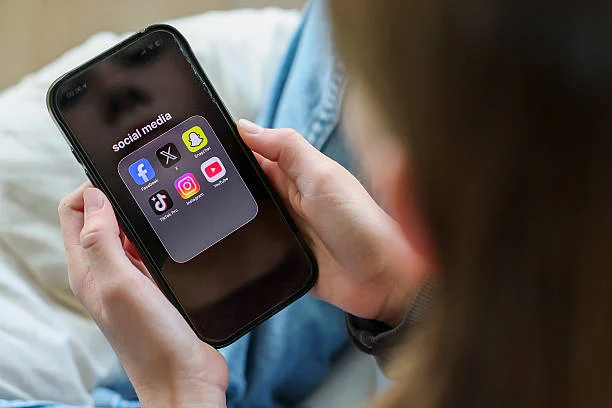
You don't need to delete every app to feel better. Healthy social media habits are usually small, realistic, and personal. Pick one or two to try first.
Curate Your Feed Around What Helps You Feel Supported
Look at who you follow. Which accounts leave you feeling energized, and which leave you feeling not enough? Mute, unfollow, or limit the ones that repeatedly trigger unhelpful comparisons. Muting is quiet, so there's no drama.
Then add things that feel real and useful: friends, hobbies, educational accounts, humor, nature, creators who show a range of bodies and lives. The goal is a healthier online space, not a life without any uncomfortable feelings.
Notice How You Feel Before and After Scrolling
Try a simple check. Before you open an app, take a breath and ask how you feel. After ten minutes, ask again. Do this for a few days and write down what you notice.
You may spot patterns you'd never seen, like feeling worse after a certain account or late at night. Those patterns help you make choices on purpose, instead of by habit.
Use Social Media to Connect, Not Just Compare
Try shifting from watching to talking. Message a friend about their post. Join a community around something you love. Share something you really enjoy, even if it won't get many likes. Meaningful conversations can help some people feel more connected, although experiences differ.
Set Boundaries That Fit Your Routine
Boundaries work best when they match your day. A few ideas:
- Turn off notifications you don't need.
- Keep your phone away during meals.
- Avoid checking your feed while you're working or studying.
- Set a bedtime boundary, such as charging your phone outside the bedroom.
There's no perfect screen-time number for everyone. Choose limits you can keep, and adjust them if they don't fit.
Take a Break Without Treating It as a Punishment
A break can help you see your habits more clearly. In a randomized trial from the University of Bath, 154 adults aged 18 to 72 were asked to stop using social media for a week. Compared with people who kept using it as usual, they reported better well-being and less depression and anxiety. The study relied on self-reports, covered one week, and didn't measure self-esteem directly.
If you try a break, pick a realistic length, like a weekend or one week, and notice what changes. A break isn't a cure, and it isn't a test you can fail. It's a way to learn what social media does for you.
Practice More Intentional Scrolling
Before you open an app, ask, "What am I here for?" You might want to check on a friend, see an event, or watch something funny. Having a purpose makes it easier to stop when you've got it.
Pay attention to the moment when scrolling stops being fun or useful. When you notice it, try pausing, switching to something else, or closing the app. Doing this repeatedly builds the habit more than any app timer.
Build Confidence Through Offline Experiences
Self-esteem grows from many parts of life, not only from your feed. Spend time with people who know you. Learn a skill. Set a goal that matters to you, and notice your progress without needing anyone to react to it. Move your body in ways that feel good. Try something you're a beginner at.
These experiences give you proof of who you are that no online response can take away. They also remind you that changing your social media habits is one piece of a larger picture.
When Social Media Use Starts to Feel Like More Than a Habit
Most of us scroll longer than we mean to sometimes. That's a habit. It can start to feel like more when you repeatedly try to cut back and can't, or when scrolling gets in the way of sleep, work, school, or relationships.
It's worth being careful with labels here. Researchers haven't agreed on one definition of social media addiction, and heavy use alone doesn't make someone addicted. A short checklist or a screen-time number can't tell you either. What matters is the pattern and what it does to your life.
If you keep feeling stuck, or you use social media to escape painful feelings, you don't have to handle it alone. Talking with a counsellor can help you understand what's driving the pattern and how to change it at a pace that feels doable.
When to Consider Self-Esteem Counselling in Vancouver
Counselling can be worth considering when self-criticism, anxiety, body image worries, constant comparison, or upsetting online experiences keep affecting your daily life. You don't need to wait for a crisis. If the same thoughts and patterns keep coming back, support can help.
In counselling, you might:
- Explore the beliefs behind your self-criticism
- Understand what triggers comparison and how it affects your mood
- Practice coping strategies that fit your life
- Build a more balanced view of yourself that doesn't depend on likes
- Make a realistic plan for changing your social media habits
No Fear Counselling offers counselling for self-esteem in Vancouver and across BC. Therapists may use approaches such as Cognitive Behavioural Therapy (CBT) to help clients address negative thought patterns and develop healthier perspectives.
Sessions are available in person and online. Learn more about individual counselling and counselling services in Vancouver. For current fees and coverage information, visit the Rates page.
Take the Next Step Toward a Healthier Relationship With Social Media
You don't have to measure your worth against a curated feed. The way social media and self-esteem interact depends on what you see, how you use it, and the support you have around you. For many people, a few small changes make a real difference.
Try one thing today. Maybe it's muting two accounts that leave you feeling small, or noticing how you feel after your next scroll. If you'd like extra support, No Fear Counselling is here. You can call 778-288-8361, message on WhatsApp at 778-998-3327, or book a free consultation.
FAQs
1. How does social media affect self-esteem?
Social media can affect self-esteem through comparison, online feedback, and appearance-focused content. Seeing idealized lives may make some people feel less confident, while others find connection and support online.
2. Can social media cause low self-esteem?
Social media may contribute to low self-esteem, but it is rarely the only factor. Personal experiences, relationships, stress, and offline support can also influence how someone feels about themselves.
3. Why do I feel worse about myself after scrolling?
Comparing your life with others, viewing edited images, or feeling left out can affect your mood. Notice which content makes you feel worse and adjust your feed accordingly.
4. Does taking a break from social media improve self-esteem?
A break may help you recognize unhealthy patterns and improve well-being. However, results vary, and taking a break does not guarantee improved self-esteem.
5. How can I stop comparing myself to others online?
Unfollow accounts that make you feel inadequate, remember that posts show selected moments, and focus on your own goals rather than other people's achievements.


