Gambling Addiction: Warning Signs, Causes & When to Seek Therapy
Gambling addiction is a mental health condition driven by emotional triggers and the urge to chase losses. Recognizing warning signs like hiding bets is vital. Evidence-based therapies like CBT, DBT, and counselling offer a proven path to recovery.

On this page11 sections
- 1What Is Gambling Addiction, and How Is It Different From Casual Gambling?
- 2Warning Signs of Gambling Addiction
- 3What Causes Gambling Addiction?
- 4How Gambling Addiction Affects Your Mental Health, Money and Relationships
- 5When Should You Seek Therapy for Gambling Addiction?
- 6How Does Gambling Addiction Therapy Work?
- 7Getting Gambling Addiction Support in British Columbia
- 8Practical Steps You Can Take Today
- 9How to Support Someone With a Gambling Addiction
- 10Getting Help for Gambling Addiction Starts With One Call
- 11FAQs
Gambling addiction can become difficult to control, even when you know it's affecting your finances, relationships, or mental health. What may start as occasional betting can gradually turn into a habit that takes up your thoughts, leads you to chase losses or makes you hide your gambling from people close to you. Recognizing these warning signs early can help you understand when gambling has become a problem.
But why does gambling become so difficult to stop, and when should you consider professional help? This guide explains the common signs and causes of gambling addiction, how it can affect your daily life, and how therapy can help. If you're looking for support in British Columbia, you'll also learn about free counselling options and private therapy through No Fear Counselling.
What Is Gambling Addiction, and How Is It Different From Casual Gambling?
Gambling addiction is gambling that has become hard to control and continues despite harm. Casual gambling stays within limits you choose and doesn't take over your life.
Clinicians call it gambling disorder. It can involve sports, slots, poker, lottery tickets or online casinos. What defines it is loss of control and ongoing harm, not how much money you lose. The wider term, problem gambling, covers any gambling that hurts you or the people around you, even without a diagnosis.
Features | Casual gambling | Gambling addiction |
Control | You stop when you planned to | You struggle to cut back or stop |
Money | Stays within a limit you set | May involve bill or rent money |
After a loss | You accept it and move on | You feel pressure to win it back |
Honesty | You talk about it openly | You hide or downplay it |
Daily life | Work, family and sleep carry on | Responsibilities and relationships suffer |
Most people who gamble never develop a problem. A 2018 Statistics Canada survey found that 64.5% of Canadians aged 15 and older had gambled in the past year. Of those, 1.6% (about 304,400 people) were at moderate-to-severe risk of gambling problems. The survey was done before single-event sports betting became legal in Canada in 2021, so today's picture may look different.
Warning Signs of Gambling Addiction
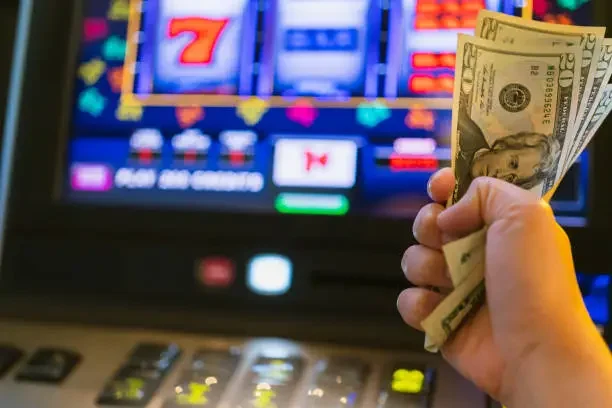
The main signs of gambling addiction include constant thoughts about betting, repeated attempts to cut back, chasing losses, hiding gambling activities, and problems with money or relationships. One sign alone does not necessarily mean addiction. What matters is the overall pattern and how gambling affects your daily life.
Signs You May Notice in Yourself
You may notice changes in your thoughts, feelings and gambling habits, such as:
- Gambling stays on your mind, including past bets, upcoming games or ways to find money to gamble.
- You need to place larger bets to experience the same excitement.
- You feel restless, irritable or frustrated when trying to reduce or stop gambling.
- You gamble when feeling anxious, guilty, lonely, low or stressed.
- You return to gambling after a loss because you want to win the money back.
- You've tried to stop or cut back several times but haven't been able to maintain it.
Financial, Emotional and Behavioural Warning Signs
Gambling problems can affect everyday life in ways that may become noticeable before you fully recognize what's happening.
- Financial signs: Borrowing money, selling belongings, using money meant for rent or bills, or accumulating debts you struggle to explain.
- Emotional signs: Feeling guilty, ashamed, irritable or constantly worried about gambling.
- Behavioural signs: Lying about how much you've spent, missing work or family commitments, or withdrawing from friends and social activities.
Signs That Are Easy to Explain Away
Gambling problems can develop gradually, and certain behaviours may seem harmless at first. However, repeated patterns can indicate that gambling is becoming harder to control.
- Hiding small bets because you believe they're only a few dollars.
- Checking betting odds, scores or gambling accounts repeatedly, even during work or family time.
- Understating how much you've spent when someone asks about your gambling.
- Telling yourself you'll stop after the next game, payday or potential win.
- Keeping betting accounts, apps or notifications hidden from family members.
- Opening betting apps repeatedly, even when you don't intend to place a bet.
None of these behaviours automatically means someone has a gambling disorder. However, repeated patterns of secrecy, loss of control or disruption to daily life deserve attention.
Signs of Online Gambling and Sports Betting Addiction
Online gambling and sports betting can make harmful gambling patterns harder to recognize. Betting platforms are available on phones and computers, allowing people to place frequent bets throughout the day.
Some warning signs include:
- Betting late at night or during working hours.
- Placing numerous small bets without keeping track of the total amount spent.
- Depositing more money immediately after losing a bet.
- Checking betting scores, odds or account balances throughout the day.
- Responding frequently to gambling advertisements, promotions and notifications.
- Increasing deposits or betting more frequently to recreate the excitement of previous wins.
Can You Have a Gambling Problem Without Losing Money?
Yes. A gambling problem is not defined only by financial losses. Difficulty controlling gambling, emotional distress and disruption to everyday responsibilities can also be warning signs.
You might earn a good income, place relatively small bets or occasionally win money. However, if gambling takes up much of your time and attention, affects your relationships or becomes something you feel the need to hide, it's worth taking seriously.
How Many Signs Mean It's Gambling Addiction?
The Diagnostic and Statistical Manual of Mental Disorders (DSM-5) identifies nine criteria used to assess gambling disorder. A person generally needs to meet at least four criteria within a 12-month period, with the behaviour causing significant distress or impairment.
The severity is classified according to the number of criteria met:
- Mild: 4–5 criteria.
- Moderate: 6–7 criteria.
- Severe: 8–9 criteria.
A qualified mental health professional can assess these symptoms and determine whether someone meets the diagnostic criteria. Having fewer than four signs doesn't mean gambling is harmless or that support isn't needed.
If you recognize some of these patterns in yourself, you don't have to wait until gambling causes serious financial or relationship problems before asking for support. Speaking with a qualified counsellor can help you understand what's happening and explore your next steps.
What Causes Gambling Addiction?
Gambling addiction doesn't usually develop for just one reason. For some people, it starts as a way to have fun, while others turn to gambling when they're dealing with stress, loneliness or difficult emotions. Over time, certain habits and life circumstances can make it harder to stop, even when gambling starts causing problems.
Risk Factors That Can Increase the Chances of Gambling Addiction
Some people may be more vulnerable to gambling problems than others. Having a family history of addiction, experiencing anxiety or depression, living with bipolar disorder, or using alcohol or other substances can increase the risk. Starting to gamble at a young age may also play a role.
These factors don't mean someone will automatically develop a gambling problem. They simply help explain why some people may be more vulnerable than others.
Emotional Triggers That Can Lead to Gambling
Emotions and everyday situations can sometimes make gambling more tempting. Someone might place a bet after a stressful day, when they're feeling lonely, or simply because they're bored. Others gamble to escape worries, improve their mood or distract themselves from difficult situations.
Paydays, major sporting events, betting advertisements and notifications from gambling apps can also trigger the urge to place a bet. Recognizing these situations can help someone understand their gambling habits and identify moments when they may need extra support.
Why Is Gambling So Difficult to Stop?
One reason gambling can become difficult to control is the uncertainty of winning. You never know whether the next bet will bring a win or a loss. Occasional wins can make someone want to keep playing, even after losing money.
Chasing losses can make this pattern harder to break. It happens when someone continues betting because they believe another win will recover the money they've already lost. But previous losses don't make a future win more likely. This mistaken belief is known as the gambler's fallacy.
For someone experiencing gambling problems, these patterns can become difficult to manage without support. If gambling is affecting your daily life, relationships or emotional well-being, speaking with a counsellor can help you understand what's driving the behaviour.
If you're looking for support, gambling addiction counselling in Vancouver can provide a space to discuss your concerns, understand your triggers and explore ways to regain control.
How Gambling Addiction Affects Your Mental Health, Money and Relationships
Gambling addiction rarely stays a money problem. It spreads into your mood, your relationships and your work or school life.
- Mental health. Guilt, shame, anxiety and low mood are common. Gambling can also occur alongside depression, anxiety or substance use. Sometimes those struggles came first, and gambling became a way to escape them.
- Money. Debt, borrowing and missed bills can pile up, and the stress that follows can push the urge to gamble even higher.
- Relationships. Secrecy and money arguments wear down trust, and rebuilding it can take time even after the gambling stops. Couples counselling in Vancouver gives partners space to talk about money and trust without it turning into a fight.
When Should You Seek Therapy for Gambling Addiction?
Knowing when to seek therapy for gambling addiction isn't always easy. If you keep gambling despite wanting to stop, hide your betting activities, borrow money to gamble, or notice that gambling is affecting your work, relationships or emotional well-being, it may be time to speak with a counsellor. You don't need to lose everything or reach a breaking point before asking for support. Even if you've reduced your gambling, the stress and problems it caused may still affect your daily life.
Seeking counselling can help you understand why you gamble, recognize the situations that trigger the urge, and find healthier ways to manage difficult emotions. If you're looking for support, gambling addiction counselling in Vancouver can give you a confidential space to discuss your concerns without feeling judged. A counsellor can help you explore your options and work towards healthier habits at a pace that feels manageable.
How Does Gambling Addiction Therapy Work?
Gambling addiction therapy helps you understand what drives your gambling and builds practical skills to handle urges. Gambling addiction counselling is private, with a few legal limits explained in the FAQs below.
What happens in your first sessions
Expect questions, not judgment. A counsellor will usually ask how gambling began, how often you gamble, what you've tried so far, and how it affects your money, relationships and mood. They may also ask about your triggers, your sleep, any alcohol or drug use, and whether you feel safe. Together you agree on goals.
How your plan comes together
Over the next sessions, the work usually builds around five things:
- Your gambling history: patterns, past attempts, and what has and hasn't helped
- Your emotional triggers: the feelings, places and moments that set off an urge
- Your thinking patterns: beliefs like "I'm due a win"
- Urge strategies: a plan for high-risk moments, such as stepping away, waiting and calling someone
- The people around you: where it helps, and if you both want it, a partner or family member joins some sessions
CBT, DBT and ACT for Gambling Addiction
Cognitive Behavioural Therapy (CBT) is one of the main psychological treatments for gambling addiction and has the strongest research support among these approaches. It helps people recognize thoughts and habits that encourage gambling, understand their triggers and develop healthier ways to respond to urges. CBT may be offered in individual or group sessions.
Dialectical Behaviour Therapy (DBT) focuses on managing difficult emotions, stress and impulsive behaviour. These skills can help someone handle gambling urges without immediately acting on them.
Acceptance and Commitment Therapy (ACT) helps people understand their thoughts and feelings without letting them control their decisions. It encourages healthier choices based on personal values, even when gambling urges arise.
CBT has stronger evidence for treating gambling disorder than DBT and ACT. However, a counsellor may consider different therapeutic approaches depending on someone's needs and treatment goals.
Getting Gambling Addiction Support in British Columbia
If you're struggling with gambling, you can explore free public counselling or private therapy in British Columbia. The right option depends on your needs, the type of support you're looking for and whether you prefer short-term or ongoing sessions.
Free Gambling Counselling
Gambling Support BC offers free and confidential counselling for people experiencing gambling problems and their loved ones. Support is available through individual and group counselling. This can be a starting point if you're unsure how to address your gambling habits or want to talk through your concerns without paying for private sessions.
Private Counselling with No Fear Counselling
Private counselling may suit you if you prefer ongoing sessions, want to choose a therapist or need support with other concerns such as anxiety, depression or relationship difficulties. No Fear Counselling has more than 200 therapists, including Registered Clinical Counsellors, and offers in-person counselling in Vancouver and online sessions.
If you're looking for counselling in Vancouver, you can arrange a free 15-minute consultation to discuss your needs and explore therapist matching. Low-cost therapy is also available through practicum students and interns. Direct billing or extended health coverage may be available depending on your insurance plan. You can also read more about gambling addiction counselling to understand the available support.
Practical Steps You Can Take Today
Make gambling harder to reach, tell someone, and book a first conversation. Small steps count.
- Remove easy access. Delete betting apps, block gambling sites and remove saved cards.
- Use self-exclusion. BC casinos, bingo halls and PlayNow.com offer it free.
- Add a money safeguard. Ask someone you trust to help you review accounts or set limits, while you keep your own passwords private.
- Stop chasing losses. Treat money you've lost as gone.
- Plan for urges. Step away from your phone or the venue, and contact someone before you place a bet.
- Book a first conversation. Contact a counsellor or call 1-888-795-6111.
If debt is part of the picture, speak with a financial counsellor too. Therapists can help with the stress, but they don't give financial or legal advice.
How to Support Someone With a Gambling Addiction
Start with calm, specific concern, set limits around money, and encourage professional help. You can't force someone to change, but you can protect yourself and keep the door open.
Pick a calm moment and describe what you've seen, not who you think they are. For example: "I've noticed money has been tight and you've seemed stressed. I'm worried about you. Can we talk?" Labels and blame usually bring shame and silence.
Set clear boundaries around money. You're not obliged to keep covering gambling debts, and you can protect your own accounts and savings.
Look after yourself too. Family members can benefit from counselling even if the person who gambles isn't ready. Family therapy in Vancouver gives everyone space to talk openly, repair trust and agree on limits.
Getting Help for Gambling Addiction Starts With One Call
Gambling addiction is treatable, and asking for help is a positive first step. If you recognize the warning signs discussed in this article, speaking with a counsellor can help you understand your gambling habits and explore the support available.
No Fear Counselling offers a free 15-minute consultation to help you find a therapist who suits your needs. You can also learn more about gambling addiction counselling.
Call: 778-288-8361
WhatsApp: 778-998-3327
Email: info@nofearcounselling.com
Book a free consultation: Schedule your consultation online
FAQs
1. Can you have a gambling addiction without gambling every day?
Yes. Frequency isn't the test. Someone who bets once or twice a week can still lose control, hide it or chase losses. What matters is control, consequences and distress, not how often you gamble.
2. Why do I keep gambling even after promising myself I'll stop?
Willpower is only part of it. Gambling trains you to expect a reward, and triggers like stress or notifications bring urges back. Repeated failed attempts to stop are a recognized sign, and a good reason to get support.
3. Is gambling addiction just a lack of willpower?
No. It develops from a mix of background, mental health, stress and environment, not weak character. Self-blame usually adds shame, which can fuel more gambling. Support works better than self-punishment.
4. Can I get gambling counselling online?
Yes. Gambling Support BC offers support locally or virtually, and private counselling is also available online. Online sessions can help if travel, privacy or timing makes in-person visits hard.
5. Will my family or employer know if I attend counselling?
Counselling is private, and a counsellor doesn't share details without your consent. In BC, the usual limits are serious risk of harm to you or someone else, suspected child abuse or neglect, and a court order. If you claim through a benefits plan, ask what the insurer sees.
6. Does therapy for gambling addiction really work?
For many people, yes. CBT has the strongest evidence, and guidelines name it as the main treatment. Results vary, and no one can guarantee an outcome. Your counsellor reviews progress with you and adjusts the plan.
7. What should I do if someone I love refuses help?
Stay calm, keep the door open and protect yourself. Repeat your concern without blame, set clear money boundaries, and get your own support. Family members can attend counselling even when the person who gambles won't.


